Plant diversity and why it matters.
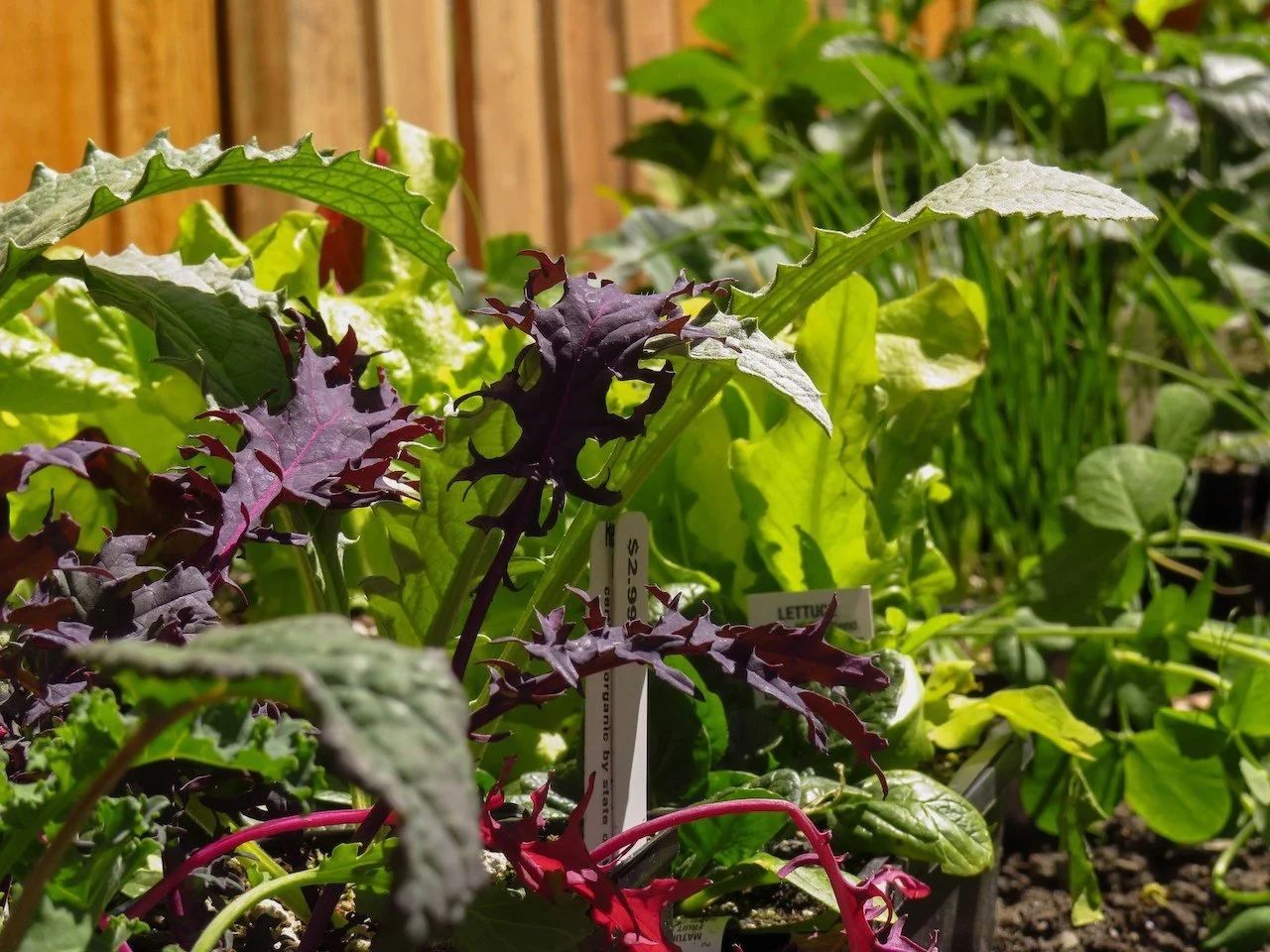
Easy ways to increase diversity in your diet
The Zoe study has popularised the importance of diversity in your diet and ‘plant based’ is now the new by-word for healthy. But why? In this article we’ll look at the new 30 a week trend, what it means in practice and why it’s good for our health as well as learning some easy ways to start incorporating more plant foods daily.
Gut health and the microbiome are cutting-edge areas of nutrition research now and the more we find out the more we realise that our microbiome diversity and health play a huge role in general health and wellbeing. Time to nurture your inner garden! Gut microbes eat fibre- soluble, insoluble, resistant starch and all the subcategories with in those – your microbiome uses them all to make important short chain fatty acids and modulate your immune function as well as feed themselves to maintain stable populations in your gut. So, it serves us to serve them the meals they enjoy. The thing is, each different bacterial strain eats different things so we need to cater to as many of them as we can because, just like in a healthy ecosystem, diversity is key for overall health and stability.
Whether you are vegan, vegetarian or omnivore there are always good reasons to include more plant foods in your diet and easy ways to do it. One good way is to rely less heavily on grains as the basis for meals. A few servings of whole grains and pseudo grains per week is generally fine for health but if they form the backbone of each meal then you are short-changing yourself in terms of nutrient diversity and density. Plants contain a variety of substances called phytonutrients, which all offer different benefits to our health. In addition, eating a diverse range of plants ensures we get a broader mineral and vitamin profile in our diet as each food has varying levels, more less or none, of different minerals and vitamins. Getting these substances from our diets offers the most bioavailable forms, meaning our bodies can utilize them more readily without having to convert them into more usable forms, taking energy and often other vitamins to do so.
Other reasons why increasing plant diversity supports our health is because eating this way often supports the health of our communities and environments by supporting local food producers. Monoculture in agriculture has resulted in a loss of environmental biodiversity and makes food systems more vulnerable to changes in climate etc. Diverse polyculture in systems like regenerate agriculture or permaculture increase local biodiversity and resilience and allow us greater dietary diversity. So, find a local farm, CSA or community garden and support them. Veg box schemes are great because you will often get random vegetables you might not buy yourself that challenge you to learn new recipes and all of these food systems will prioritise varieties that grow well in your area which may well be very different from what large supermarkets will have.
Back when this research first came out a friend was staying with me for a week, and we challenged ourselves to eat 60 different plant foods by the end of her stay, we didn’t include any grain foods or natural sugar alternatives though as we wanted to maximise the nutrient density in the foods we counted. It was great fun, delicious and we came up with these easy ways to help it happen. See my next post for fun easy ways to try yourself.
