How to hacks for getting your 30 a week.
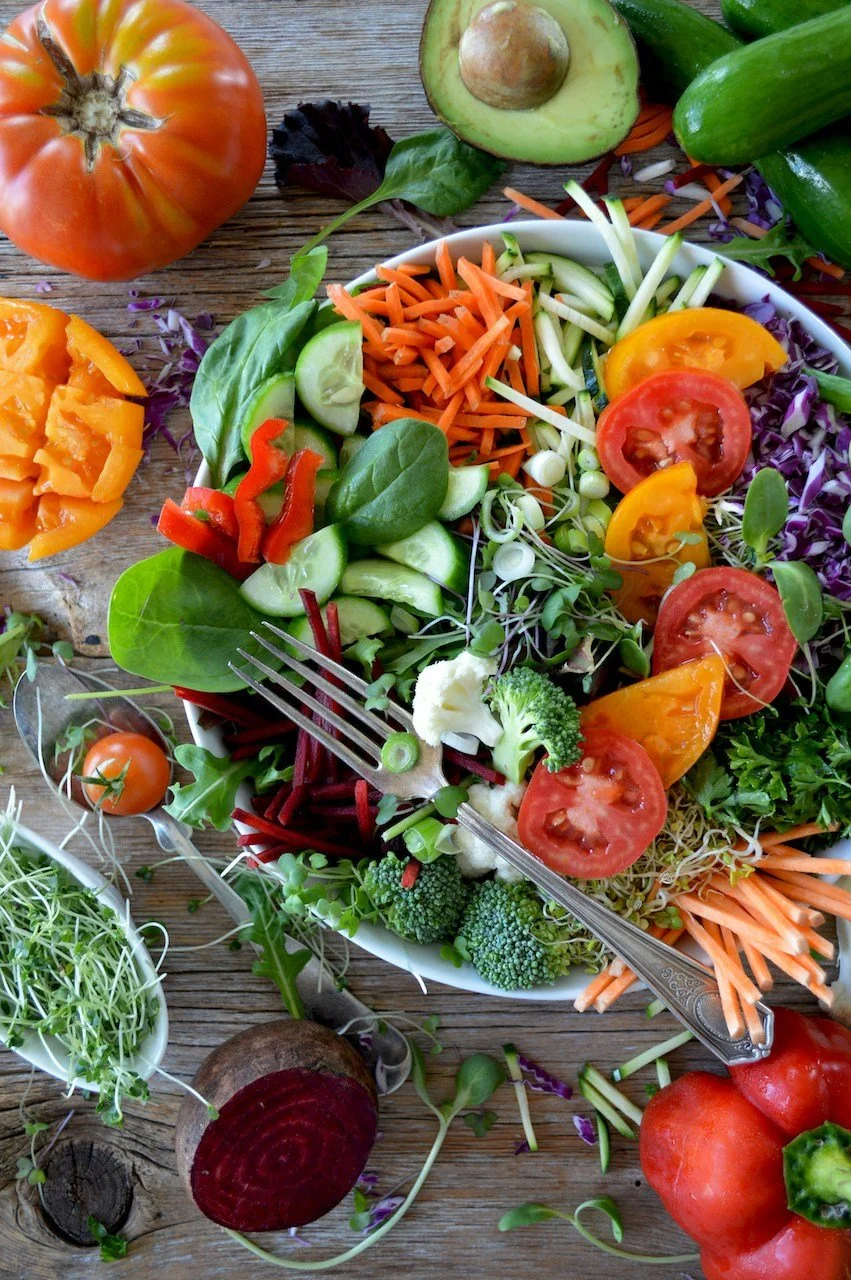
4 tricks to kickstart your diversity diet
Keep in mind that diversity doesn’t mean finding the 30 plant foods you like and eating them every day of the week ad infinitum. True diversity means varying what you eat, if not daily or weekly then at least seasonally. Cycle through favourite recipes, maybe you have 3-4 breakfast choices you like that include a good diversity of plants, keep cycling through them over a week or a month so you don’t end up eating the same thing day in day out. The microbes that like those foods might be happy but overall diversity and health means we must cater to the minorities within our guts as well. I have found that I tend to have a core group of fruit and veg that I eat regularly either because I like them, or they are easy to get in my area but then I also challenge myself to keep looking for varieties I haven’t tried before to add to these. I might have 15 types of veg and fruit that are regular pantry staples then I will mix and match others as I find them or that are in season. This can be as simple as switching from green cabbage to red occasionally as the different pigments in vegetables indicate the presence of different phytonutrients or finding something lesser known like salsify or cassava and giving a new recipe a go.
· the ‘one a day’ challenge – this is a good way to start being aware of your eating habits and making slow and sustainable changes. Begin by counting how many different plant foods you eat in a regular day. It may be 8 or it may already be closer to 30, either can be surprising when its clearly in front of you. The next step is to challenge yourself to add more new foods until you reach 30 a week. Start with one new plant each day, it could be a herb or spice, two different types of berries for breakfast instead of just one, mixed beans instead of just kidney beans in your chilli or a food you’ve never tried before. If 30 becomes easy, try for 60 each week.
· Let kids count their 10 a day – make a chart on the fridge or have a competition between your kids to see who can eat more than 10 different plant foods each day. My kids have loved this challenge, making it visible and giving them goals to work towards can inspire them to add more fruit and veg in. At the very least it’s a helpful way of keeping track of what they eat and asking for another serving of veg. I often ask ‘have you had your 10 today?’ and if not then I ask if they could add one more thing to their plate to help. Only got to 8, why not add some carrot to your cucumber and tomatoes. If they have fun doing this, see if they can get to 15, or find ways of encouraging them to keep adding more however many you get to.
· 10 plants for each meal – challenge yourself to include 10 plant foods in each meal – this might mean a super granola mix with a variety of seeds and nuts and a couple different types of fruit for breakfast or a mixed salad for lunch with a pesto dressing. I often find dinner is an easy one to get more veg into especially if you opt for curries or stews where a variety of herbs and spices can be added as well. Even if you don’t get to 10 each meal thinking this way is sure to increase your diversity.
· Use toppings, sauces and condiments to increase diversity. Things like dukkha – a middle eastern spice mix with nuts and seeds – can be sprinkled on your food. Or make a gomasio salt mix with toasted sesame seeds and seaweed flakes instead of plain sea salt for your table. A salsa verde can pep up any meal and will add loads of good nutrients with the herbs, lemon and capers or include a homemade tomato and chilli chutney instead of ketchup. A mixed berry compote is also a good way to have variety on hand and can be kept in the fridge to add to breakfasts. Remember, you don’t need a huge quantity of each plant for it to start giving health benefits.
But most importantly - enjoy it! Food is for enjoying so find foods that are delicious to you and know that the more diverse your diet the better you are supporting your long-term health.
